



Cool Cats: Simple Summer Comfort & Enrichment Tips
Mark Vette is a world-renowned Animal Behaviourist, Zoologist and Trainer. He brings together a unique combination of academic studies with 40 years of applied clinical animal behaviour consulting and treatment. Mark is a member of the International Association of Animal Behaviour Consultants. This article was written by Mark and the views expressed are his own.
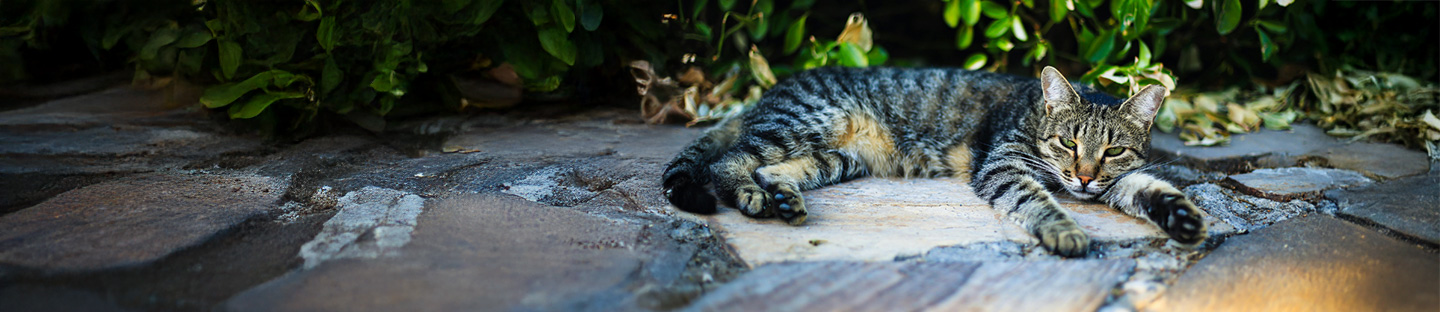
Cats are famously good at relaxing — especially when summer arrives. Many will instinctively slow down, stretch out somewhere cool, and snooze the warm hours away. But even in the heat, our feline friends still need mental stimulation, hydration support, and a comfortable environment to stay healthy and happy.
Comfort first: helping cats stay cool
Cool resting spots
Offer your cat plenty of comfortable, cool places to rest - they may enjoy cool bathroom tiles or polished floors, a shaded box or hideaway lined with a cool towel, elevated resting spots to catch breezes, or even consider a cooling mat or slightly damp cloth for lounging on. Ensure your cat has free access to the coolest places in the home - cats are excellent self-regulators, give them options and they’ll choose wisely. An outdoor “catio” - whether small or large - is a great option to provide safe outdoor resting and play spaces.
Hydration
Hydration helps with temperature regulation and supports urinary health. Encourage drinking by providing multiple water bowls in separate areas and refreshing the water morning and evening. Some cats will drink more from a flowing water fountain and if you’re worried your cat isn’t getting enough hydration, consider adding a little water to meals or feeding wet food. Some cats will enjoy ice cubes in the water for interest and extra cooling!
Breeze & shade
Keep curtains closed in sun-exposed rooms, use fans or natural airflow (not blowing directly on your cat), and avoid confining your cat to warm rooms. Let them move freely to choose their perfect climate zone - sometimes they’ll favour a warm sunny spot, other times a cool, shaded hideaway.
Summer stimulation
Even if they seem content lounging, cats still need mental engagement to keep their minds sharp and prevent boredom (and the associated problematic behaviours!).
Here are some signs your cat might be bored or under-stimulated:
- Increased meowing or attention-seeking
- Pawing at you, nudging, or pestering for interaction
- Pouncing on feet or swatting hands/legs
- Restlessness or prowling the house
- Zoomies at dawn or late night
- Scratching furniture more than usual
- Boredom eating or pestering for food
- Over-grooming out of boredom
- Seeming “naughty” or mischievous (e.g., knocking things off surfaces, opening cupboards)
Balanced cats tend to enjoy long, calm naps paired with brief, purposeful bursts of play and exploration.
Cool summer enrichment
- Maintain your normal play style but only encourage energy exertion in the cooler morning and evening hours - e.g. use wand toys, feather teasers or soft chase toys. Although laser pointer games can be fun, I recommend using a toy your cat can actually “catch” as this is much more satisfying for them, and less likely to encourage obsessive behaviours.
- Take your play into a shady spot outside for some additional enrichment.
- Keep sessions short - think fun bursts, not workouts.
- Turn mealtimes into enrichment by using puzzle feeders (DIY or store bought), scatter feeding, cardboard food mazes or ice-lick bowls with a small portion of wet food frozen on top. This taps into natural hunting instincts without physical strain.
- Rotate safe summer treats like frozen tuna water or broth cubes (no onion/garlic), frozen lick mats with mousse-style cat food or chilled soft toys.
- Cats love to learn new tricks - use a clicker and treats to engage their brain by learning new things. Bonus - this massively grows your bond with your cat!
- Bring nature safely to indoor cats with cat grass pots, catnip play sessions, a window perch with a view, or access to a supervised or contained garden space (like a catio).
- If you harness walk your cat, do so only in the cooler morning or evening hours and check the pavement isn’t too hot first.
Summer safety
If your cat is panting or breathing rapidly, appears weak or wobbly in the heat, vomits after heat exposure, refuses food or water during warm spells, or seems unusually quiet, distressed or agitated - see a vet. Heat stress in cats is rare but serious if it occurs, so trust your instincts, this can quickly escalate into heat stroke or hyperthermia and is life threatening at that stage. Wet the cat and call the vet ASAP.
A cool summer
Cats are masters of relaxation — we’re simply here to make their kingdom a little more comfortable!

