



Too Hot to Handle: How Summer Heat Affects Behaviour
Mark Vette is a world-renowned Animal Behaviourist, Zoologist and Trainer. He brings together a unique combination of academic studies with 40 years of applied clinical animal behaviour consulting and treatment. Mark is a member of the International Association of Animal Behaviour Consultants. This article was written by Mark and the views expressed are his own.
When the temperature rises, most of us feel it — that heavy, sluggish feeling, the short fuse, the urge to flop under a fan and not move. Our pets can experience the same thing, and for dogs and cats, heat can have an influence on behaviour (and of course serious health effects if they end up in heat exhaustion).
Some pet owners notice mood changes in their animals during summer: suddenly your friendly dog is snappy with others at the park, or your usually playful cat wants absolutely nothing to do with anyone. This isn’t “naughtiness” — it’s biology and comfort levels at work.
Understanding the connection between heat, stress, and behaviour can help you support your pet through the warmer months.
Why heat impacts behaviour
1. Overheating drains energy
Dogs and cats rely mostly on panting, limited sweat glands, and behavioural cooling (seeking shade, stretching out, slowing down) to regulate temperature. When it's hot, their bodies work overtime to cool down — using extra energy and sometimes leaving them lethargic or irritable.
2. Heat increases stress and lowers tolerance
Heat makes the nervous system more reactive. When your pet is uncomfortable, their threshold for frustration and social tolerance could drop. That can look like grumbling during play, growling when another dog gets too bouncy, or a cat needing more space than usual.
3. Sleep disruption
Hot nights can interfere with sleep — especially in brachycephalic (flat-faced) breeds like French Bulldogs, Pugs, Persian cats, and British Shorthairs. Less rest often means less emotional resilience the next day, or an increase in “naughty” behaviours like nipping or chewing. They also don’t consolidate learning from any training exercises the day before, an important purpose of sleep.
4. Reduced exercise = pent-up energy
Walks and play sessions often shorten in hot weather. Without replacement mental stimulation, pets can become restless, vocal, destructive, or anxious. Pets rely on adequate activity to behave well!
Signs your pet is struggling with heat
- Excessive panting or grooming
- Seeking cool, dark places
- Reduced appetite
- Lethargy or irritability
- Lower social tolerance (snapping, growling, hissing)
- Restlessness or pacing (especially at night)
- Drinking more than usual
- Dehydration is a symptom and has considerable behavioural and physiological costs
If you see escalating symptoms of heat exhaustion such as drooling, collapse, vomiting, wobbliness, or confusion, treat these as a heat emergency and seek urgent veterinary help.
How to support calm, comfortable pets in summer
Adjust routines to avoid peak heat
- Walk dogs early morning and after sunset
- Avoid high-intensity play in the heat of the day
- Schedule cat play at dawn/dusk when they naturally perk up
And always take fresh water when out and about — pets dehydrate quickly in heat and humidity.
Create cool rest zones
- Provide shade indoors and outdoors
- Use cooling mats or damp towels to lie on
- Provide airflow via fans or safe air-con use
- Let cats retreat and choose solitude when they need it
Night-time comfort for crated dogs
Heat can be uncomfortable at night — especially in enclosed sleeping spaces.
- Ensure crates aren’t positioned in warm, stuffy corners
- Provide access to a cool hard floor if possible (use a play pen if your dog can’t be trusted to be loose in the house)
- Use cooling mats or set up a fan (not blowing directly on the dog)
- Monitor your pet — restless movement may signal discomfort
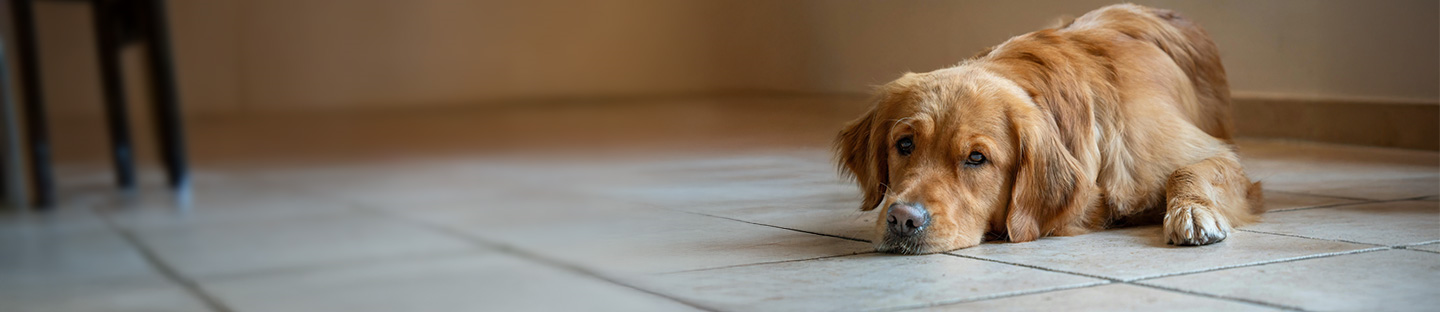
My own golden retriever, Awa, runs warm and sleeps on the cool bathroom tiles all summer — he chooses them over any bed!
Mental enrichment for calm energy
If physical exercise reduces, swap in low-arousal enrichment:
For dogs
- Frozen Kongs or lick mats
- Scent work (snuffle mats, hide-and-seek food games)
- Gentle indoor training sessions
- Swimming and fetching in water
For cats
- Puzzle feeders and food mazes
- Ice cubes to bat and chase
- Short wand-toy sessions in the cool hours
- Window views with ventilation
Activities like this can help use up some energy, and release calming neurochemicals — ideal for hot days when rest is best.
Hydration & cooling
- Fresh water in multiple areas
- Add ice to water bowls
- Frozen broth treats (no onion/salt)
- Running-water fountains can encourage cats to drink more
- Coat clipping in long coated dogs
- Have a cool coat for your dog and cool pads where they sleep and or in car
Summer watch outs
It’s always worth a reminder about key summer safety…
- Never leave pets in cars — even “just 5 minutes” can be deadlys
- Avoid walking on hot pavement (test with your hand — if it’s too hot for you, it’s too hot for paws)s
- Provide plenty of water to avoid dehydrations
- Avoid midday exercises
- Use shade when travelling or at outdoor cafes/parkss
Even healthy animals can overheat quickly — heatstroke progresses fast.
When to seek help
Heat-related issues can escalate, and sometimes underlying health or anxiety plays a role.
Consult your vet if:
- Your pet pants excessively even at rest
- You notice sudden intolerance to exercise
- There’s vomiting, collapse, excessive drooling or fast breathing
- Older pets or brachycephalic breeds show persistent heat discomfort
Consult a behaviourist (like myself) if:
- Your pet’s irritability, reactivity, or anxiety increases significantly
- You see new aggression or conflict between pets
- Your pet is struggling to settle and relax despite heat-management steps
- You see behaviour changes that go beyond mild discomfort or irritability
Early support prevents these issues from turning into long-term behavioural habits.
The bottom line
Heat affects mood, energy and tolerance in pets — just like it does in people. By adjusting routines, providing cooling options, and focusing on calm enrichment, you help your pet stay relaxed and safe all summer long.

