


All about Greyhounds
Mark Vette is a world-renowned Animal Behaviourist, Zoologist and Trainer. He brings together a unique combination of academic studies with 40 years of applied clinical animal behaviour consulting and treatment. Mark is a member of the International Association of Animal Behaviour Consultants. This article was written by Mark and the views expressed are his own.
Mark explains what makes greyhounds unique, from their history and temperament to their exercise needs and what to consider before adopting an ex-racer.
With commercial greyhound racing in New Zealand ending on 31 July 2026, many greyhounds will be looking for their forever homes. If you’ve ever considered one of these elegant, gentle dogs, now is a wonderful time to learn what they’re really like.
A breed with ancient roots
The greyhound is one of the oldest purebred domesticated dog breeds in existence, with records of greyhound-like dogs stretching back approximately 8,000 years to cave drawings and ancient Egyptian artefacts. They appear in Greek and Roman mythology, and throughout much of European history, owning a greyhound was considered the exclusive right of royalty and nobility. More recently, they became synonymous with racing, but that chapter is now closing.
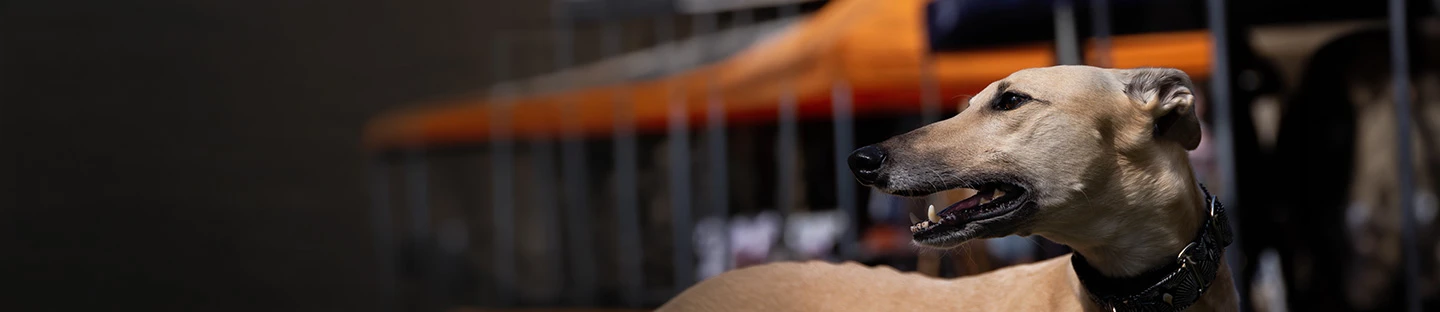
Greyhounds were bred as sighthounds: dogs that hunt by sight and speed rather than scent. They are the fastest dogs on the planet, capable of extraordinary bursts of speed, but that does not mean they are high-energy at home.
What greyhounds are really like
Perhaps the biggest misconception is that, because they are so athletic, they need enormous amounts of exercise. In reality, they are a “sprint and snooze” breed: happy to run, but often happier curled up somewhere comfortable.
Some qualities you'll commonly find in greyhounds:
- Gentle and calm
- Quiet - they rarely bark
- Affectionate and people-oriented
- Laid-back and easy to live with
- Intelligent and moderately trainable
- Sociable with other dogs
- Typically tolerant of children (with the right socialisation)
- Excellent sight and hearing
- A strong instinct to chase small animals
Having been bred to run in groups, greyhounds tend to be comfortable around other dogs and not typically dog-aggressive. They bond well with their humans and I find they do best in peaceful, low-stress homes.
Their calm, quiet nature can make them surprisingly well-suited to a range of living situations, including apartments and retirement villages, provided they get regular walks and the occasional chance to stretch their legs.
Things to consider before adopting
It’s important to be realistic about both the wonderful qualities of greyhounds and the challenges that can come with rehoming an ex-racer. The right match matters, for you and for the dog.
Prey drive
Greyhounds have a strong instinct to chase, especially those bred and trained for the racetrack. Small, fast-moving animals such as rabbits, cats and small dogs can trigger that drive. If you have cats or other small pets, careful introductions are essential, ideally using a muzzle initially to assess compatibility. Some greyhounds can live happily with cats; others realistically cannot and a reputable rehoming organisation will help you work this out before placing a dog with you. You’ll also need to take care on walks in case you encounter small animals.
They may not have lived in a home before
Many ex-racing greyhounds have spent most of their lives in kennels, so everyday household experiences such as stairs, glass doors, slippery floors, televisions, children, prams or skateboards can be new and sometimes startling. This is not a reason not to adopt, but it does mean patience and calm desensitisation are important.
Sensitivity
Greyhounds are emotionally sensitive dogs. They don't respond well to harsh handling or raised voices. They do well with a calm handler and reward-based training.
Exercise
They don’t need hours of walking, but they do need daily exercise and, if possible, access to a safely fenced area for the occasional sprint (they love this!). Standard fencing may not be enough, as greyhounds are tall and athletic.
Sociability
Greyhounds tend to be social, but racing dogs may not have had much contact with children, so check this carefully if you have kids at home.
Top tips for bringing home a greyhound
Transitioning an ex-racing dog into a family home takes thought, but it is very achievable with the right approach.
Give them time to decompress
The first few days and weeks can be overwhelming for a dog moving from a kennel environment into a home. Keep things calm and quiet initially and let them explore at their own pace. Don't expect too much too soon.
Teach them the basics
Many ex-racers will not have learned household manners such as recall, loose lead walking or sitting calmly. Start simple, use positive reinforcement, and keep training sessions short and fun. Their moderate trainability and human-orientation means they'll pick things up, just don't rush it.
Introduce new experiences gradually
Expose them slowly and positively to things they may not have encountered, such as different surfaces, sounds, clothing, people or animals. Use plenty of treats to help make these experiences positive.
Set up a safe, comfortable space
Greyhounds like having a dedicated spot that is soft, warm and away from the main foot traffic of the household. A dog bed or couch blanket they can claim as their own will help them settle.
Get a health check
Ex-racing dogs can carry injuries or health issues from their working lives, so a thorough vet check before or shortly after adoption is worthwhile.
What's different about adopting an adult dog
If you are used to raising puppies, adopting an adult greyhound is different, and in many ways, lovely. You skip the sleepless nights, toilet training chaos and chewed furniture of early puppyhood. Instead, you are working with a dog whose personality is already formed.
The flip side is helping a dog adjust from one world to a completely different one. And that requires patience and empathy. There may be things they're fearful of, habits to gently undo, or gaps in their socialisation to fill. But the bond that forms when you give a dog a second chance is something quite special.
New Zealand has excellent rehoming organisations dedicated to finding the right homes for ex-racing greyhounds. If you are considering adoption, they can help you understand whether a greyhound is the right fit.
The final verdict
Greyhounds are one of the most misunderstood breeds I encounter, but they can be incredibly rewarding. They are gentle, loving, low-maintenance in many ways, and deeply good-natured. The end of racing in New Zealand is an opportunity for these dogs to find the homes they deserve, and for the right families to discover what wonderful companions they can be.
If you have the right setup, including a calm household, patience for the transition period, and ideally no small animals to worry about, I would give the greyhound an enthusiastic thumbs up.
Training support
For support with training your new dog, Mark offers a discount to Southern Cross Pet Insurance customers for his Virtual Dog School. Mark and his team guide you through how to establish strong foundations with a re-homed adult dog, and can provide personalised guidance when you need it. Use code SOUTHERNCROSSPET to get 15% off your membership at www.dogzen.com.