


How to get a great photo of your dog (so you can nail your Pawsies entry!)
Mark Vette is a world-renowned Animal Behaviourist, Zoologist and Trainer. He brings together a unique combination of academic studies with 40 years of applied clinical animal behaviour consulting and treatment. Mark is a member of the International Association of Animal Behaviour Consultants. This article was written by Mark and the views expressed are his own.
Our pets are full of personality — that’s what we love about them. And that’s what the Southern Cross Pawsies Awards are all about — celebrating that special spark that makes each and every one of our pets so loveable and unique.
But anyone who has ever tried to photograph an excitable pup knows it’s not always as simple as “sit” and “smile” to capture their unique character!
Start with calm energy
A great photo session begins before you even pick up the camera. Take your dog for a short walk, have a play session or do a few minutes of training to take the edge off their excitement. You want them alert and engaged, but not fizzing with unused energy - adjust according to your dog’s age and energy levels!
If your dog is calm, the whole experience becomes smoother — and far more enjoyable.
Choose the right spot
Pick a location that is quiet, familiar and free from distractions. A favourite corner of the garden, a sunny spot indoors, or their usual training area works brilliantly. Keep other pets and family members out of sight so they’re not a distraction.
Good natural light is your friend. Soft morning or late-afternoon light helps bring out your dog’s features and keeps them relaxed. Avoid harsh midday sun which can create deep shadows and make them squint.
Use simple, clear cues
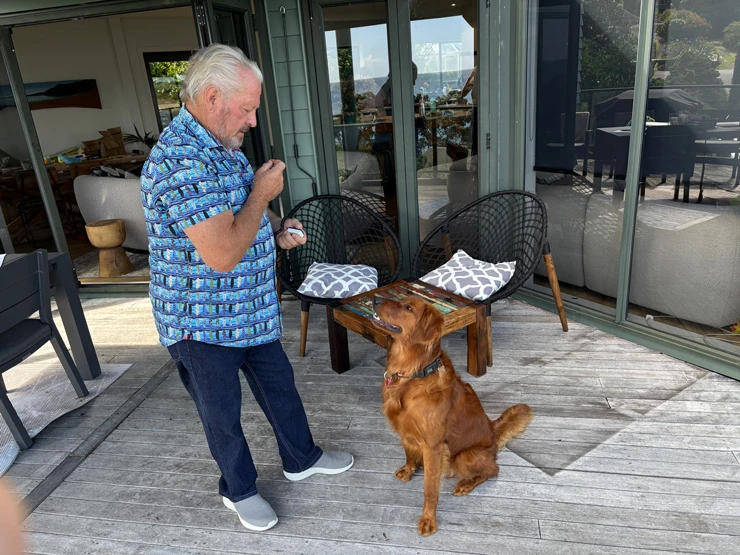
Start by asking for behaviours your dog knows well — sit, down, or stay. Reward generously to keep them feeling confident and focused on the task at hand.
If your dog struggles to stay still, shorten your expectations:
- Ask for a 1–2 second stay, take the shot, reward.
- Gradually stretch the duration if they’re coping well.
Quick reps keep motivation high and frustration low.
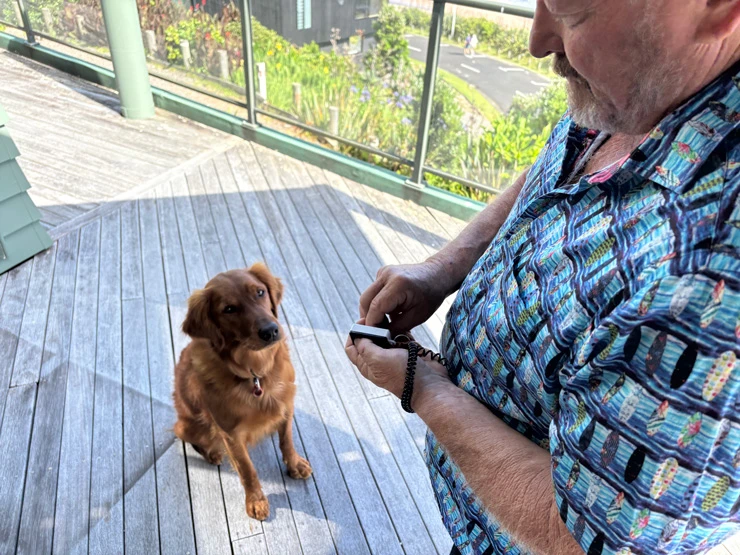
Use a clicker or “yes” marker
A marker — either a clicker or a verbal “yes!” — helps your dog understand exactly what they’re being rewarded for. This clarity can make photo sessions easier and more enjoyable, especially if your dog is learning to hold still or pose.
To introduce it, simply toss a treat and say “yes” or click the clicker the instant your dog eats it. Repeat 5-10 times.
This teaches your dog that the sound means “you got it right” and helps speed up learning. Once they understand it, use your marker the moment they sit, stay still, or look where you want them to - and always follow the click or “yes” with a treat!
Make the camera part of the fun
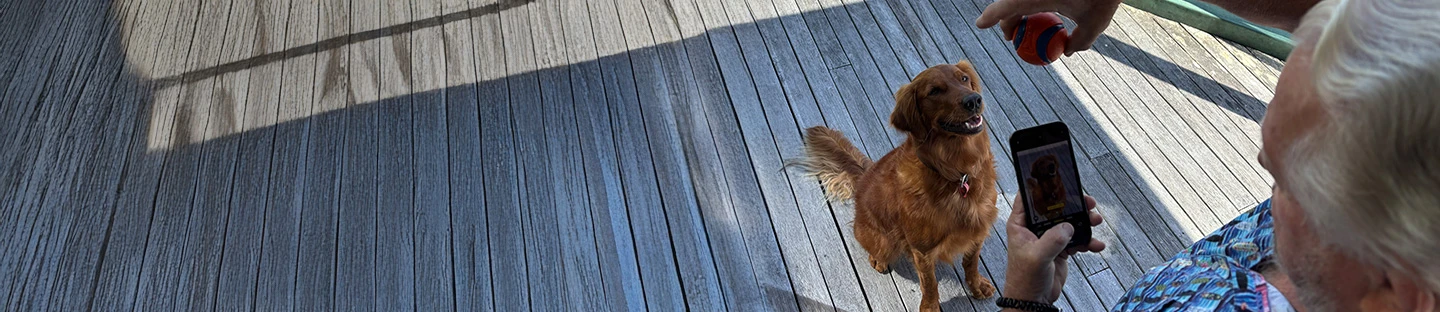
Many dogs move as soon as the phone comes out because they’re unsure about the object pointing at them. Help them get used to it:
- Let them sniff the phone or camera
- Hold it near your face while giving treats
- Practice short, positive “photo games” over a few days
Soon the camera will predict good things instead of confusing ones.
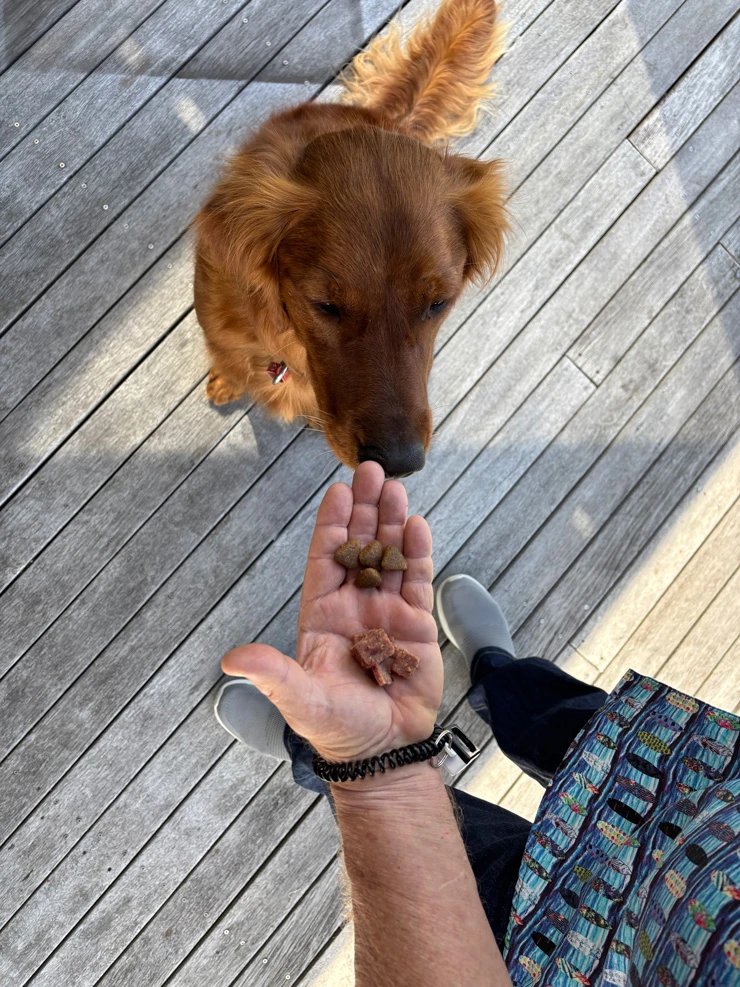
Use the right treats
Use treats to incentivise your dog to follow direction - but make sure you use the right choice for your individual pet!
Dogs with high food drive (ahem, labradors) might get over-excited by treats that are too tasty, which can make it difficult to keep them calm and still - so for these types, just use their normal dog biscuits or even pieces of cut up apple or carrot. Dogs with a lower food drive may need more incentive to stay motivated, so use small pieces of cooked chicken or cheese to keep them interested and searching for the treat.
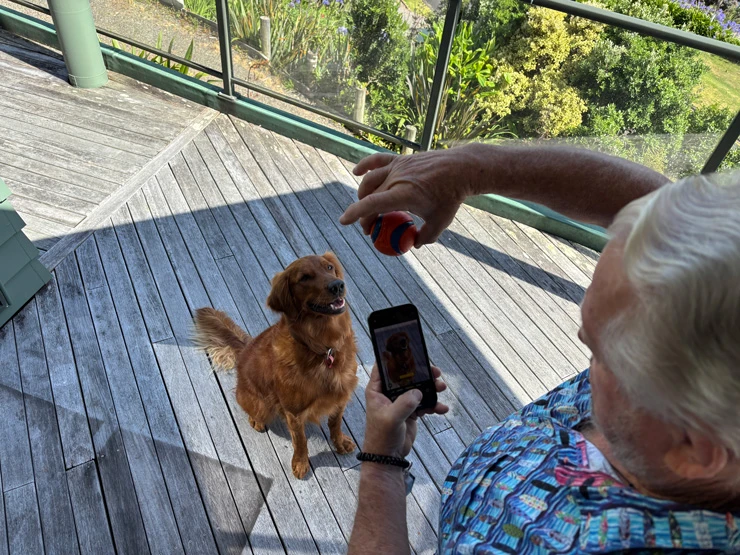
Capture the eyes
The eyes are the window to the soul, and capturing that beautiful gaze is one of the most powerful ways to create a compelling portrait.
To encourage your dog to look at the camera:
- Use a treat or a toy to draw your dog’s attention toward the lens
- Call their name in an encouraging, high-pitched voice
- Hold the treat right above the camera (or even tape one to the back of your phone!), that soft focus upward often create a beautiful expression
- Having a friend on hand to stand behind you and gently call your dog’s name or hold up a treat or toy is very helpful
Using a “watch” cue
A “watch” cue teaches your dog to look directly at your face or camera on command — incredibly helpful for photos. To teach it simply hold a treat near the lens and say “watch!”. When your dog looks at the treat, mark (click/“yes”) and reward. With practise, this will become a reliable tool for getting intentional, expressive, eyes-forward shots.
Get a cute expression
A soft click, kissy noise or gentle whistle can get your dog to perk their ears for a moment or turn their heard to the side — perfect for adding expression. Avoid loud or startling sounds.
Take lots of photos (burst mode is your friend!)
Dogs blink, yawn, look away and reposition faster than we do. Burst mode or rapid-fire shots help you capture the perfect split second — the bright eyes, the alert ears, the expression that tells the world who your dog truly is.
Keep sessions short and sweet
Two minutes, break. Another minute, break. Dogs (and especially puppies) have short attention spans, and tired dogs lose that spark in their eyes.
The goal is to finish while your dog is still enjoying themselves — it shows in the photos.
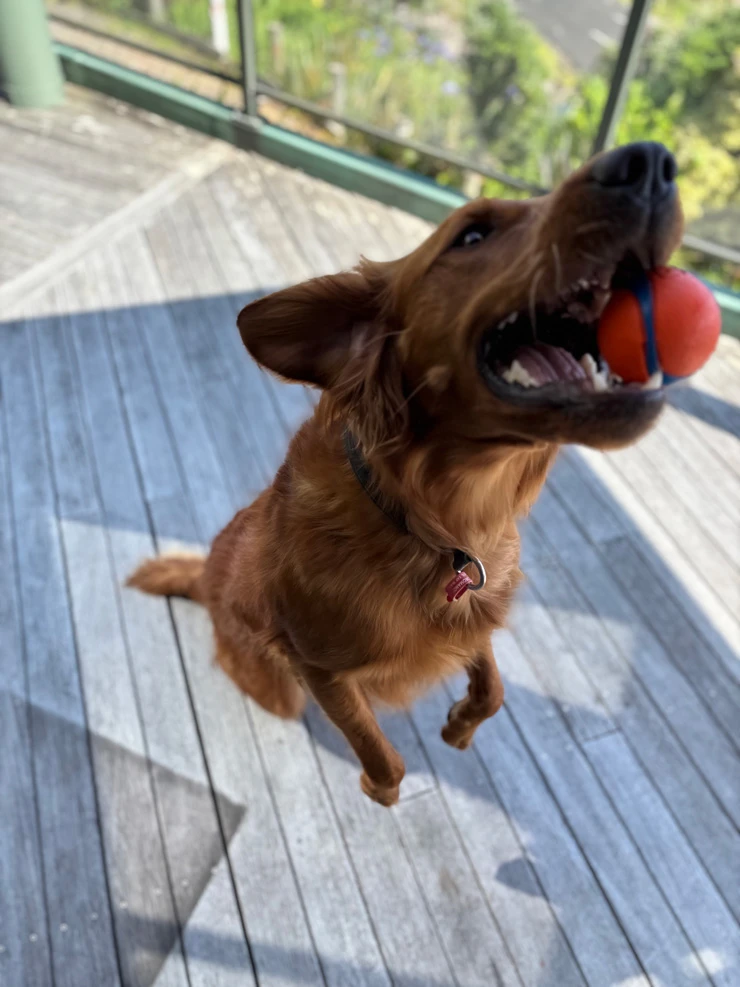
Let their personality shine
The Pawsies Awards aren’t about perfection — they’re about character.
A tilted head, a quirky paw lift, a windswept ear, or their favourite toy beside them can help tell the story of who they are. If your dog is naturally goofy, capture the goofiness. If they’re gentle and soulful, aim for softness.
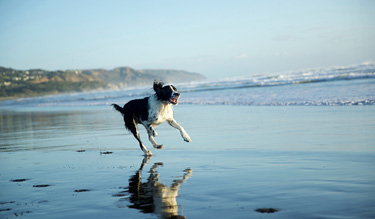
All these tips aside, you don’t have to take the “perfect” still, sitting, eyes-on-camera shot to enter the Pawsies… you could instead share your pet in their hilarious sleeping position, an epic action shot or a moment in time that creates a wonderful memory for you.
Bonus suggestions
- Costumes or accessories can be cute, but only use them if your pet is fully comfortable and has been gently conditioned to wearing them. Many animals find dressing up stressful, and that tension will show in the photo (and make the experience unpleasant). A simple collar, bandana, or natural look is often best - the Pawsies is not about the fanciest gear!
- Photos taken from the pet’s eye level or lower are far more engaging and natural. It also helps shy animals feel less pressured.
- Be patient, your pet doesn’t know they’re preparing for the “Oscars of Pooches” — they just want to enjoy time with you. If either of you get frustrated, pause, play, and try again later. Happy energy creates the best photos.
Ready to capture your best friend’s best side?
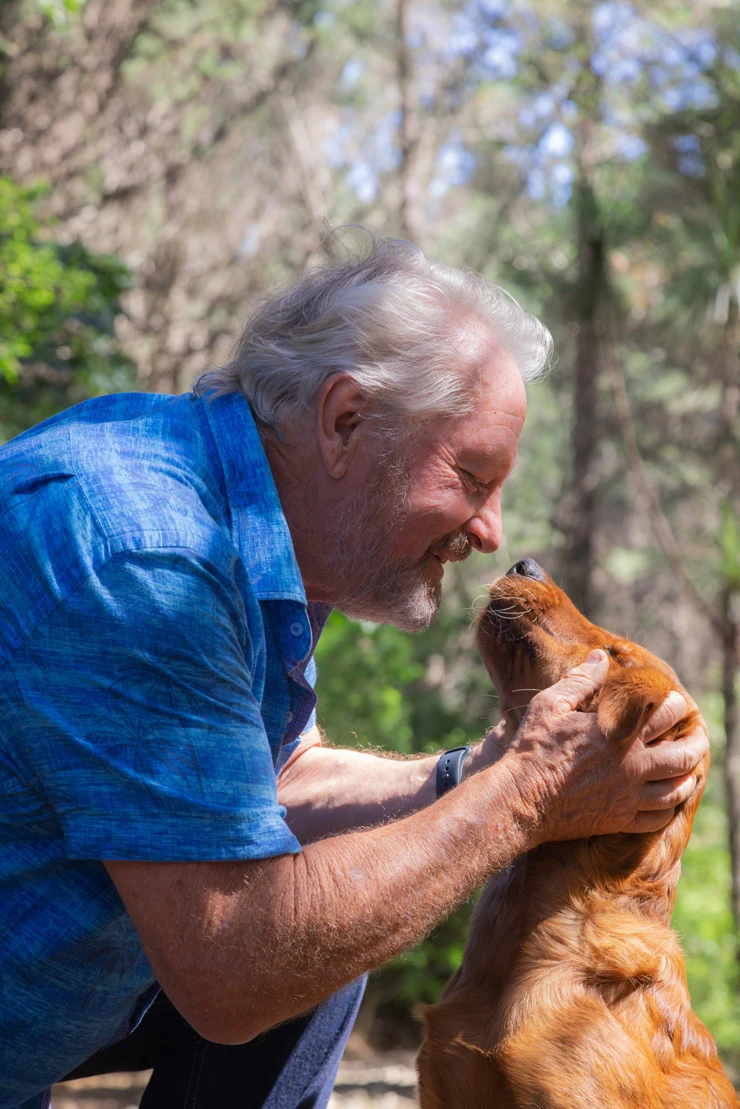
Taking a beautiful photo isn’t about perfection — it’s about connection. When your pet feels safe, calm and supported, their personality comes forward in incredible ways.
Once you’ve snapped a portrait that shows who they truly are, you’ll be ready to nominate your furry star for The Southern Cross Pawsies Awards. I can’t wait to see the wonderful dogs and cats Aotearoa has to share.